Introduction
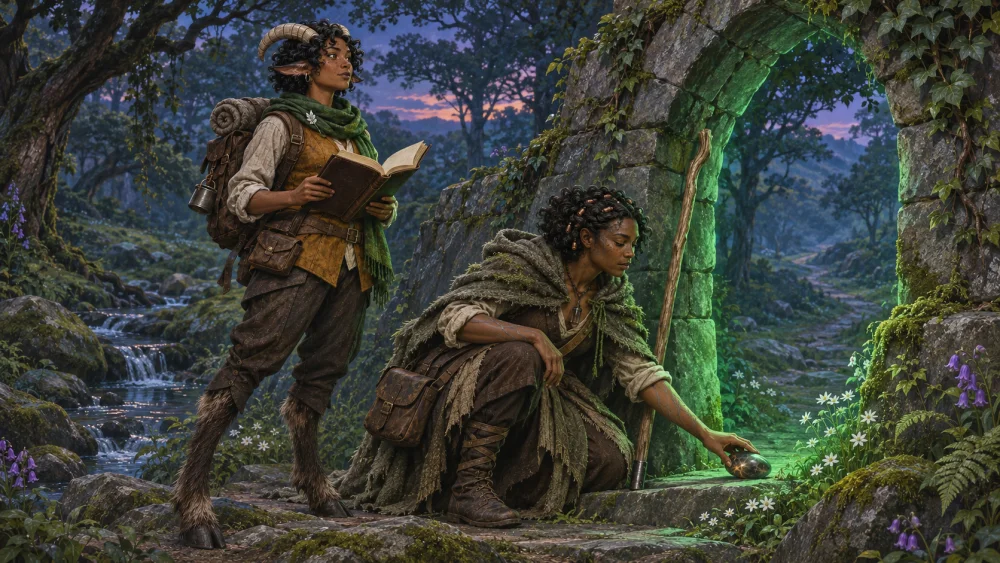
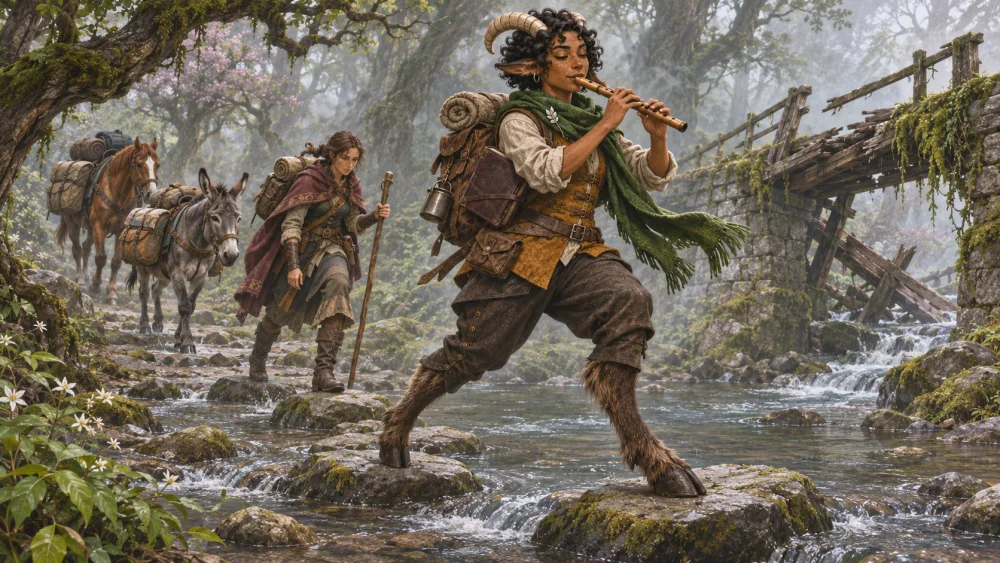
Nymph is a Pathfinder 2e ancestry for a player who wants a character's home terrain to travel with them. Feybound gives Nymphs a Medium fey chassis, six terrain affinities, and a bonded item that matters in the fiction and on the character sheet. The best build begins by treating that item as an adventuring responsibility, then choosing a heritage and feat lane that gives it a recurring job.
Use this guide with the PF2e guides hub, ancestry guides hub, heritage guide, and ancestry feat guide. Those pages explain shared character-building rules. This page focuses on the Nymph decisions that change a build.
Rating key
| Rating | Meaning |
|---|---|
| ● | Broad choice that helps in many campaigns. |
| ● | Reliable when the class or party supports it. |
| ● | Strong in a campaign with the right scenes or enemies. |
| ● | Narrow story or build pick. |
Nymph snapshot
| Feature | What it means in play |
|---|---|
| Rarity | Nymph is Uncommon. Confirm Feybound access with the GM before treating a heritage or feat chain as guaranteed. |
| Hit Points and size | Eight ancestry Hit Points and Medium size give a comfortable starting body plan for martial, skill, and spellcasting classes. |
| Speed | A 25-foot Speed is ordinary on land. Naiad and Oceanid heritages change the plan when water is a regular part of the campaign. |
| Boosts and flaw | Dexterity, Charisma, and a free boost support nimble, social, or magical concepts. The Strength flaw deserves deliberate planning for armor and weapon requirements. |
| Traits and senses | Fey, Humanoid, and Nymph traits plus low-light vision establish the ancestry's First World identity and can matter for effects. |
| Bonded item | Carry an enhanced token of the home terrain. If it is lost or destroyed, the Nymph becomes drained until the replacement ritual is complete. |
Hot take: Pick the Nymph whose terrain you want to make visible at the table. Lampad is a dependable practical choice, but a water heritage in a water campaign or a Dryad in a poison-heavy wilderness game will do more than a generic ranking suggests.
The bonded item is real gear
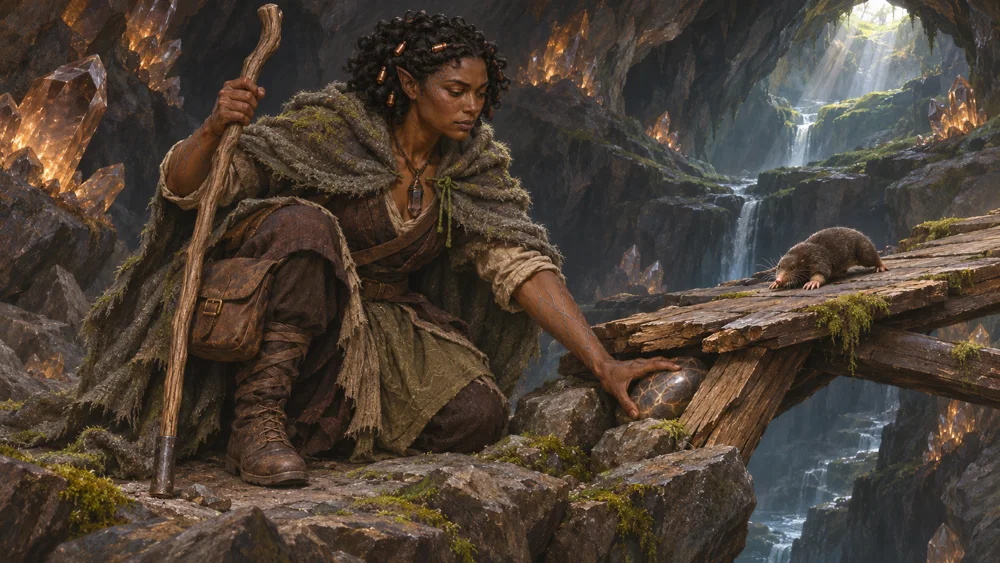
Nymphs are guardians tied to a natural feature. An adventuring Nymph carries a magically enhanced piece of that home terrain so they can leave it comfortably. The item can be a polished stone, a seed, a shell, a crystal, or another portable piece that fits the character's story. It is not a disposable prop.
Put the bonded item in the same planning category as a spellbook, familiar, or primary weapon. Describe where it travels, whether it is worn or stored, and what the party does if a thief, fire, or river puts it at risk. If it is lost or destroyed, the drained condition matters immediately; the ancestry provides a ritual way to make a replacement, but that is a recovery problem rather than a reason to ignore the risk.
Vesna Flintroot, for example, wears a smoky-quartz pendant and keeps a polished stone in her field satchel. A Lampad who fights in a cave can make that connection clear without asking the GM for an extra mechanical benefit.
Heritage rankings
| Heritage | Best for | Why it works |
|---|---|---|
| Lampad Nymph ● | Caverns, ruins, and practical explorers | Earth affinity and a daily stone-to-object option give the character a concrete answer to ordinary underground problems. |
| Dryad Nymph ● | Forest campaigns and resilient nature builds | Plant and wood ties plus a circumstance bonus against poison and disease create a dependable defensive identity. |
| Asterid Nymph ● | Night travel, scouts, and star-facing stories | A soft personal glow and later astral options give an open-sky character a useful identity without demanding a single class. |
| Naiad Nymph ● | Freshwater adventures and amphibious scouts | Breathing water and an underwater recovery benefit are excellent where rivers, lakes, and springs are regular features. |
| Oceanid Nymph ● | Seafaring campaigns and underwater routes | A swim Speed and amphibious movement solve an important travel problem, but have little value in a landlocked dungeon campaign. |
| Hesperid Nymph ● | Twilight stories and careful utility planning | The daily golden-apple storage trick is memorable utility, but it needs a player who will plan for its limits rather than expecting a general storage solution. |
Lampad is the default recommendation because stone, caves, and improvised mundane objects can show up in many adventure sites. Dryad is a strong choice when poison and disease defenses have real table value. Asterid works in any campaign that enjoys night scenes or celestial character hooks. Naiad and Oceanid are outstanding when water is part of the map, not merely an occasional obstacle. Hesperid rewards a player who enjoys a tightly bounded daily utility tool.
Ancestry feat guide
Nymph feats work best when they reinforce the character's usual contribution. Before selecting one, check its action cost, its prerequisite heritage, and whether it competes with your spellcasting, strikes, companion, or exploration activity.
Level 1 feats
| Feat | Best for | Decision |
|---|---|---|
| Bonded Companion ● | Animal companion builds | Take it when the class and party have room for an animal companion's actions and care. |
| Mortal Shape ● | Social scenes and shapechanging follow-ups | A useful disguise tool that also opens later shapeshifting choices. |
| Natural Empathy ● | Animal-facing wilderness campaigns | It gains value when animals connected to the heritage's terrain are likely to be meaningful NPCs. |
| Nymph Lore ● | Skill-forward characters | A clean choice when another trained skill and Nymph Lore support the character's role. |
| Otherworldly Beauty ● | Charisma characters and beauty feat chains | Choose it if the character will continue into its later focus and high-level options, not just for a single flourish. |
| Primal Guidance ● | Characters missing a useful primal cantrip | Innate magic is worthwhile when it fills a repeated utility or combat gap instead of duplicating class magic. |
Level 5 feats
| Feat | Best for | Decision |
|---|---|---|
| Astral Insight ● | Asterids in night or star-focused campaigns | A heritage-specific reaction is worth taking when its reroll support will regularly find a target. |
| Healing Flame ● | Hesperids with a healing or medicine role | Choose it for a character already committed to its healing prerequisites and social support job. |
| Nymph Magic ● | Characters with a useful innate-spell gap | The spell package is a good fit when it adds an answer the class does not already prepare or cast reliably. |
| Sickening Pollen ● | Dryads in plant-rich or poison-relevant campaigns | It is a specialized follow-up. Confirm that its terrain and condition will matter before reserving the ancestry feat. |
| Stone Blows ● | Lampads with an unarmed or earth-themed backup | It can give a stone-affinity character a practical backup option without replacing the main class weapon plan. |
| Swift Waters ● | Naiads and Oceanids in water-heavy adventures | A water movement upgrade is excellent when the party expects to use it repeatedly, not when the campaign has one river. |
Running a Game This Week?
The GM Session Kit - a Session Zero template, a recap format, and a pricing cheat sheet. Free, and yours the moment you ask.
No spam, unsubscribe anytime.
Level 9 feats
| Feat | Best for | Decision |
|---|---|---|
| Accomplished Shapechanger ● | Mortal Shape characters | Continue the shapeshifting lane only when changing form remains a regular solution to the campaign's problems. |
| Attune Bond ● | Prepared casters with a strong bonded-item story | The bond-based preparation benefit rewards a character whose spellcasting plan and ancestry story already align. |
| Focus Beauty ● | Otherworldly Beauty characters | A prerequisite follow-up for a Charisma-focused social or magical concept, not a generic defensive feat. |
| One with Earth ● | Dryads and Lampads in terrain-rich campaigns | Pick the earth spell only when it changes the travel, defense, or battlefield decisions the party actually makes. |
| Outrun ● | Mobile characters with recurring chases | A movement payoff is reliable when positioning is central to the class and the campaign uses larger maps. |
Levels 13 and 17
| Feat | Best for | Decision |
|---|---|---|
| Nature's Ambassador ● | Nature-facing party negotiators | Take it when negotiations with natural creatures and fey remain a meaningful part of high-level play. |
| Queen's Command ● | Charisma-forward characters with social stakes | A potent story-facing option when the campaign creates important targets and consequences for using fey authority. |
| Token Inspiration ● | Characters who want the bonded item to matter | A direct bond payoff for a character who protects and foregrounds that item in the story. |
| Devastating Beauty ● | Otherworldly Beauty characters | This is a capstone continuation of the beauty lane. Skip it if the earlier prerequisite was not part of the build's job. |
| Nature's Bounty ● | Parties that need high-level nature support | Choose it when its substantial nature magic covers a role the party still needs at the campaign's final tier. |
Build lanes and class fits
| Class | Why it fits | Watch for |
|---|---|---|
| Druid ● | Primal identity, terrain ties, animal options, and nature-facing feats make the ancestry story visible in ordinary scenes. | Decide whether the ancestry feat is solving a gap in the spell list or repeating a spell the Druid already prepares. |
| Ranger ● | Dexterity, terrain travel, companion concepts, and water or wilderness heritages support a capable field character. | Keep the ancestry action economy from crowding out Hunt Prey and the Ranger's normal combat routine. |
| Witch ● | Fey storytelling, Charisma options, selective innate magic, and a familiar-adjacent concept create a focused character. | Choose familiar and spell jobs first, then buy ancestry magic only when it adds a distinct answer. |
| Thaumaturge ● | Charisma, a protected symbolic item, and social or beauty feats support a character who makes lore and presence matter. | The bonded item is not automatically an implement. Keep its ancestry role clear before assigning it another job. |
Skills, gear, and access
Nature is the obvious skill for a guardian, but it is not the only one that makes the ancestry work. Diplomacy supports a beautiful or First World envoy. Survival serves an Asterid, Dryad, Naiad, or Oceanid who treats terrain as a party responsibility. Crafting can protect, identify, or sensibly house a bonded token. Medicine fits a Hesperid who builds toward healing. Pick the skill that lets the heritage show up before the rare scene where its feature is perfect.
Give the bonded item a safe, ordinary place in the equipment plan. A pendant can be worn under armor, a seed can live in a waterproof case, and a stone can ride in a padded pouch. The choice does not make the item immune to danger; it shows that the character has treated a critical object responsibly. Ask the GM before turning a description of that protection into an extra rule benefit.
Nymph is Uncommon, so access is a conversation. Explain the natural feature your character guarded, why they can travel now, and how the campaign can engage with the bonded item without making it a burden for everyone else. That gives the GM story hooks while keeping the decision focused on one character.
Level 1 to 10 plan
Level 1: Choose the terrain story first. A Lampad Druid, Oceanid Ranger, Dryad Witch, or Asterid Thaumaturge each has a clear reason for the ancestry choice. Take one level 1 feat that supports the class's usual job, then name and protect the bonded item.
Levels 2-4: Establish the character's normal turn and exploration contribution. Do not add an ancestry action that only repeats a spell, companion command, or class activity you already struggle to fit into a round.
Level 5: Select a heritage payoff only if its campaign trigger is recurring. Nymph Magic is the safer choice when it closes a real spell gap; Stone Blows, Swift Waters, and the heritage-specific options need a more concrete table reason.
Levels 6-8: Improve the skills that make the terrain identity useful outside combat. This is the point where a bond, companion, social, or shapeshifting lane should feel like a repeatable part of play rather than a character-sheet annotation.
Levels 9-10: Commit to a mature lane. Attune Bond supports a bonded-item casting story, Accomplished Shapechanger continues Mortal Shape, and Outrun rewards a character who wins through position. Leave a narrow ancestry feat open if the next adventure arc has not yet shown its terrain needs.
Bottom line
Nymph is strongest when the heritage, bonded item, and class job point at the same kind of scene. Protect the item, choose the terrain that the campaign will actually visit, and buy ancestry feats that make that terrain matter more often. The result is a fey character with a clear reason to be away from home and a distinctive way to contribute when the party reaches the next difficult place.